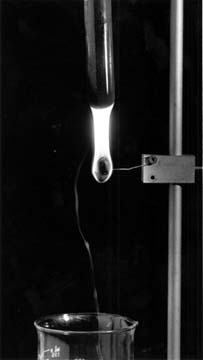
Kinetic energy
Kinetic Energy is energy that is in motion. Moving water and wind are good examples of kinetic energy. Electricity is also kinetic energy because even though you can’t see it happen, electricity involves electrons moving in conductors.
Energy makes change possible. We use it to do things for us. It moves cars along the road and boats over the water. It bakes a cake in the oven and keeps ice frozen in the freezer. It plays our favorite songs on the radio and lights our homes. Energy is needed for our bodies to grow and it allows our minds to think.
Scientists define energy as the ability to do work. Modern civilization is possible because we have learned how to change energy from one form to another and use it to do work for us and to live more comfortably.
Energy is found in different forms including light, heat, chemical, and motion.
Potential Energy
Energy is measured in the amount of “work” it does. Potential Energy is stored energy. Examples of potential energy are oil sitting in a barrel, or water in a lake in the mountains. This energy is referred to as potential energy, because if it were released, it would do a lot of work.
Energy can change from one form to another. A good example is a Roller Coaster. When it is on its way up, it is using kinetic energy since the energy is in motion. When it reaches the top it has potential (or stored) energy. When it goes down the hill it is using kinetic energy again.